
Shoulder, Arm, Hip, Knee, Ankle & Joint Pain: What's Really Going On and How to Fix It

Joint pain has a way of sneaking into everything — reaching overhead, climbing stairs, getting out of a chair, or just making it through a workout. Whether the pain came on suddenly or crept up over time, it's often a sign that something deeper isn't working the way it should.
The key to lasting relief isn't just treating the painful joint — it's understanding how the rest of your body is contributing to the problem.

What Causes Joint Pain?
Joint pain is rarely isolated. Often, the discomfort you feel in one area is being driven by weakness, stiffness, or imbalances somewhere else entirely.
Common causes include:
Overuse or repetitive strain
Muscle imbalances or weakness
Poor movement mechanics
Previous injuries that never fully healed
Joint inflammation or irritation
Age-related wear and tear
For example, knee pain may actually stem from poor hip strength. Shoulder pain is often driven by posture and limited upper back mobility. Treating only the painful area misses the bigger picture.
Common Conditions We Treat:
Back and neck pain shows up differently depending on what's going on underneath the surface.
Shoulder & Arm:
Rotator cuff injuries
Shoulder impingement
Tendonitis or bursitis
Tennis elbow or golfer's elbow
Hip & Knee
Hip impingement
Labral irritation
Patellofemoral (front knee) pain
Meniscus injuries
Ankle & Foot
Ankle sprains and instability
Tendon irritation
Mobility restrictions
Symptoms to Pay Attention To:
Joint pain doesn't always feel the same — and recognizing its pattern matters.
You may notice:
Pain during movement or activity
Stiffness after rest or in the morning
Swelling or inflammation around the joint
Clicking, popping, or locking sensations
Weakness or a sense of instability
Reduced range of motion
When these symptoms stick around, your body often starts compensating — and those compensations can lead to additional problems over time.
Why Rest Alone Isn't Enough
Resting the painful area is a natural instinct, and it can help reduce irritation in the short term. But rest alone doesn't correct the underlying issue.
Without proper treatment:
Weakness tends to worsen
Movement patterns become inefficient
Pain often returns once activity resumes
That's exactly why structured rehabilitation matters — it gets to the source.
How Rehabilitation Helps
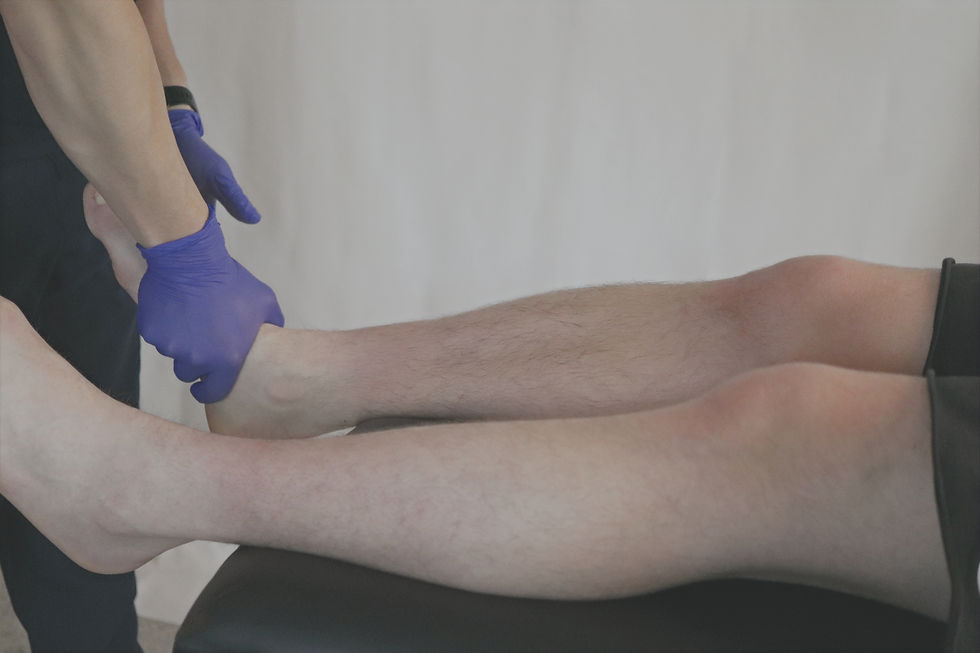
At Matter Rehabilitation, joint pain treatment starts with a full-body movement assessment, because where you feel pain isn't always where the problem starts.
Your program may include movement analysis, targeted strength and stability training, mobility and flexibility work, manual therapy, and hands-on movement retraining — all designed to address the root cause, not just the symptoms.
The Goal: Move Without Limitation
With the right rehabilitation plan, you can:
Move without pain
Rebuild strength and stability
Return to exercise and activities you enjoy
Reduce the risk of future injury
Joint pain doesn't have to limit your lifestyle. Contact Matter Rehabilitation to schedule an evaluation and start moving better.


I visited a pain treatment center in Rhode Island to explore options for my ongoing pain. The specialists took the time to understand what I was experiencing and explained different approaches in a simple way. I felt comfortable, informed, and well supported throughout the process. https://paincenterofri.com/