
Sports Injuries & Return-to-Play Recovery: Getting Back Safely — and Stronger

Sports injuries are frustrating in a way that goes beyond the pain. They disrupt training schedules, performances, routines, and the sense of physical identity that many athletes and active people carry with them. Whether you're competing at a high level or simply someone who loves staying active, the goal after injury is the same: return safely, fully, and with confidence.
The difference between a clean comeback and a repeat injury almost always comes down to the quality of rehabilitation.
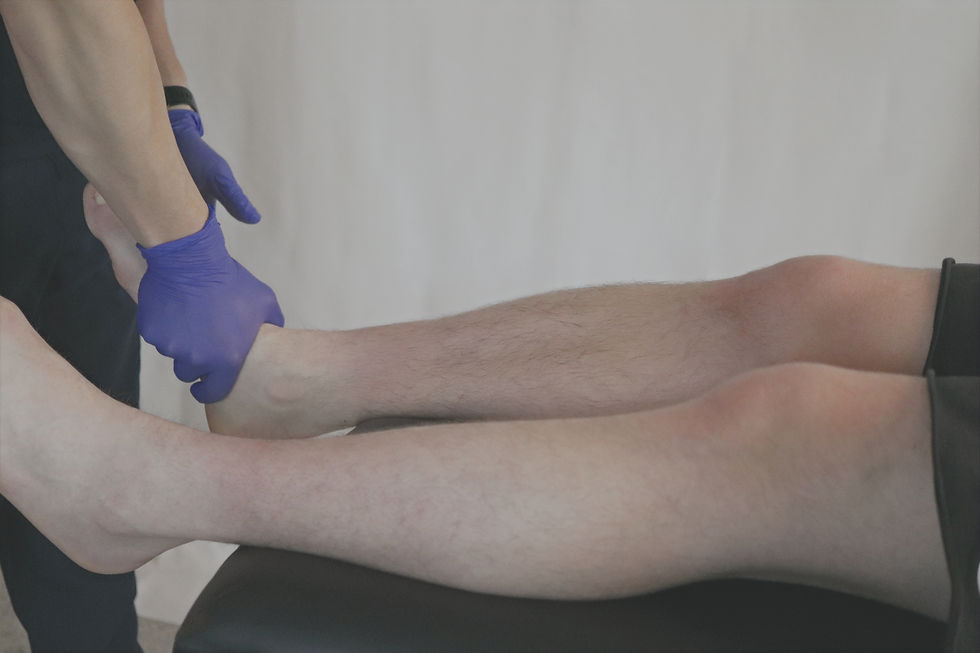
Common Sports Injuries
Acute Injuries
Ankle sprains
Muscle strains (hamstring, calf, quad)
Ligament injuries (ACL, MCL)
Shoulder dislocations
Meniscus or cartilage injuries
Overuse Injuries
Tendonitis (Achilles, patellar, rotator cuff)
Runner's knee (patellofemoral pain syndrome)
Tennis or golfer's elbow
Shin splints
Stress-related joint irritation
Why Sports Injuries Happen
Most sports injuries aren't just bad luck. They're typically the result of underlying issues that built up over time, such as:
Muscle imbalances — some areas overworking while others are weak
Poor movement mechanics or technique
Inadequate warm-up or insufficient recovery time
A sudden spike in training intensity or volume
Previous injuries that weren't fully rehabilitated
Fatigue and overtraining
Identifying the root cause is essential — otherwise, you're likely to see the same injury come back.
Why "Feeling Better" Isn't Enough
One of the most common mistakes in recovery is returning to sport as soon as the pain goes away. Pain relief is encouraging, but it doesn't mean full recovery.
Without proper rehab, athletes risk:
Reinjury — often more significant than the first
Chronic instability in the affected joint
Decreased athletic performance
Compensation injuries in other areas of the body
True recovery means restoring strength, control, and movement quality — not just eliminating pain.
The Return-to-Play Process
Phase 1: Protection & Healing
Manage pain and inflammation, protect the injured tissue, and maintain gentle movement where appropriate.
Phase 2: Restore Movement
Regain full mobility and flexibility, rebuild baseline strength, and begin controlled loading of the injured area.
Phase 3: Strength & Control
Improve power and endurance, restore balance and coordination, and introduce sport-specific movement patterns.
Phase 4: Return-to-Play
Gradually return to practice and competition, work through sport-specific drills and agility training, and build real confidence under game conditions.
How Rehabilitation Helps You Recover Stronger
At Matter Rehabilitation, sports injury recovery is designed to go beyond basic healing — the goal is to restore full function and reduce the risk of future injury. Programs are individualized based on your sport, position, and personal performance goals.
Your program may include targeted strengthening and conditioning, mobility and flexibility training, neuromuscular control and coordination work, sport-specific drills, and practical injury prevention strategies.
The Goal: A Safe and Confident Return to Sport
Effective rehabilitation doesn't just get you back to where you were — it prepares you to perform better than before. With the right recovery, you can return to sport safely, improve strength and durability, reduce your reinjury risk, and move with genuine confidence.
Injury doesn't have to end your season — or your career. Start your return-to-play program at Matter Rehabilitation and come back stronger.


Comments