
Understanding Back and Neck Pain: Causes, Symptoms, and Effective Solutions for Long-Term Relief

Back and neck pain are among the most common reasons people seek medical care — and two of the most disruptive. Whether it's a dull ache that won't let up, sharp pain when you move, or stiffness that makes mornings miserable, these issues affect your sleep, work, relationships, and overall quality of life.
Here's what's worth knowing: most back and neck pain responds well to the right treatment — especially when you address what's actually causing it, not just where it hurts.

What Causes Back and Neck Pain?
Back and neck pain rarely come from a single source. Most of the time, it's several factors building on each other over time.
Common causes include:
Poor posture — especially from prolonged sitting, screen use, or desk work
Muscle strains and ligament sprains
Herniated or bulging discs
Joint stiffness or degeneration (such as arthritis)
Nerve irritation or compression, including sciatica
Weak core or postural muscles
Repetitive movements or overuse patterns
Even small daily habits — how you sit, how you sleep, how you carry your bag — can quietly accumulate into real pain over time.
Common Symptoms to Watch For:
Back and neck pain shows up differently depending on what's going on underneath the surface.
You might experience:
A dull, persistent ache or sharp, localized discomfort
Stiffness or limited range of motion
Pain that radiates into the shoulders, arms, or legs
Numbness, tingling, or burning sensations
Headaches linked to neck tension
Pain that worsens with sitting, standing, or specific movements
If your symptoms are persistent, worsening, or interfering with daily life — that's your body signaling that something needs attention.
When Should You Seek Treatment?
A lot of people wait, hoping the pain will just resolve on its own. And while minor discomfort can sometimes pass, ongoing pain tends to get harder to treat when it's left ignored.
It's worth seeking care if:
Pain lasts longer than a few days
It's getting in the way of work, sleep, or normal activities
You notice radiating pain, numbness, or weakness
Symptoms keep coming back
Getting ahead of the problem early often means a shorter, more effective recovery.
How Rehabilitation Helps
At Matter Rehabilitation, the approach starts with understanding why your pain is happening — not just where. A thorough evaluation guides everything from there.
Your care may include:
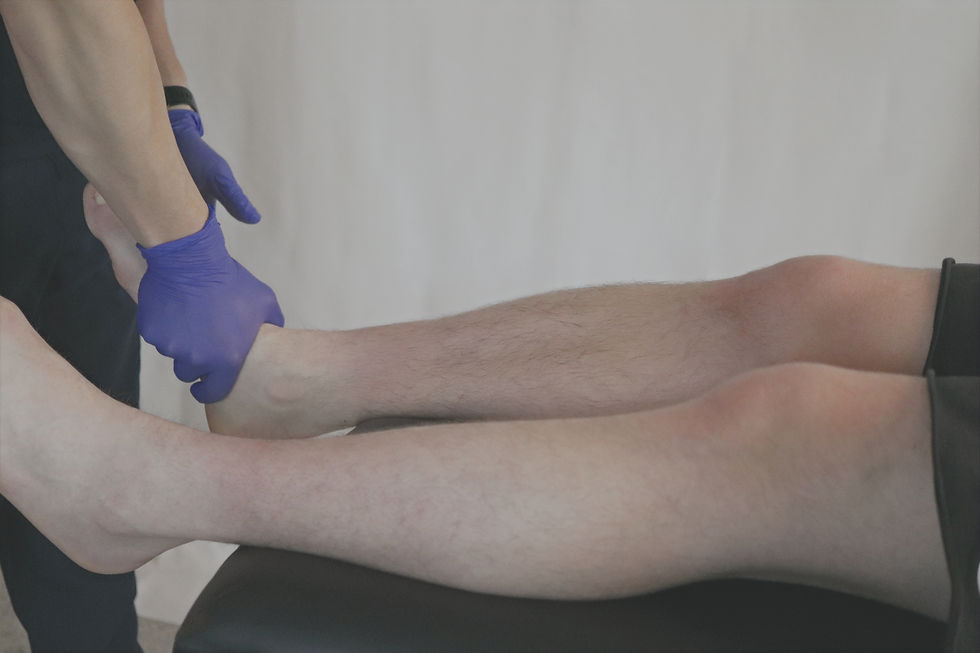
Hands-On Treatment
Manual therapy techniques that reduce stiffness, improve joint mobility, and relieve muscle tension.
Targeted Exercise
Strengthening the right muscles — especially your core and postural muscles — gives your spine long-term support and stability.
Movement Retraining
Correcting how your body moves during everyday tasks helps break the cycle of repeated strain.
Posture and Ergonomic Guidance
Small, practical adjustments to your workspace and daily habits can make a surprising difference in how you feel.
The Goal: Long-Term Relief, Not Just a Temporary Fix
Quick solutions — whether it's a painkiller, a brace, or just resting — can offer short-term relief. But real, lasting results come from understanding and addressing the root cause.
With the right approach, you can:
Reduce or eliminate pain
Restore mobility and flexibility
Build genuine strength and stability
Prevent future flare-ups
Get back to normal activities with confidence
Back and neck pain doesn't have to be part of your daily life. Schedule an evaluation at Matter Rehabilitation and take the first step toward lasting relief.


Comments